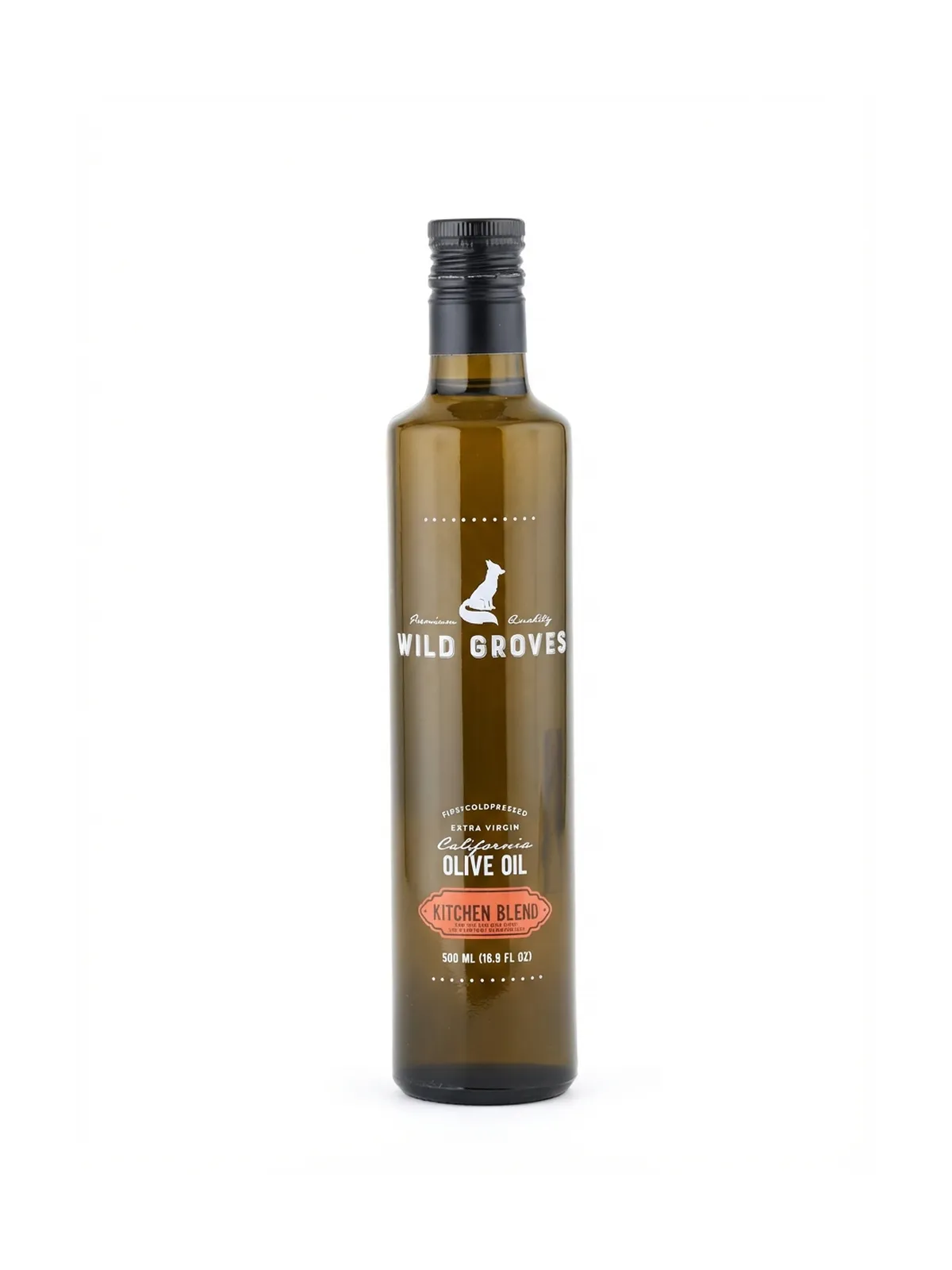
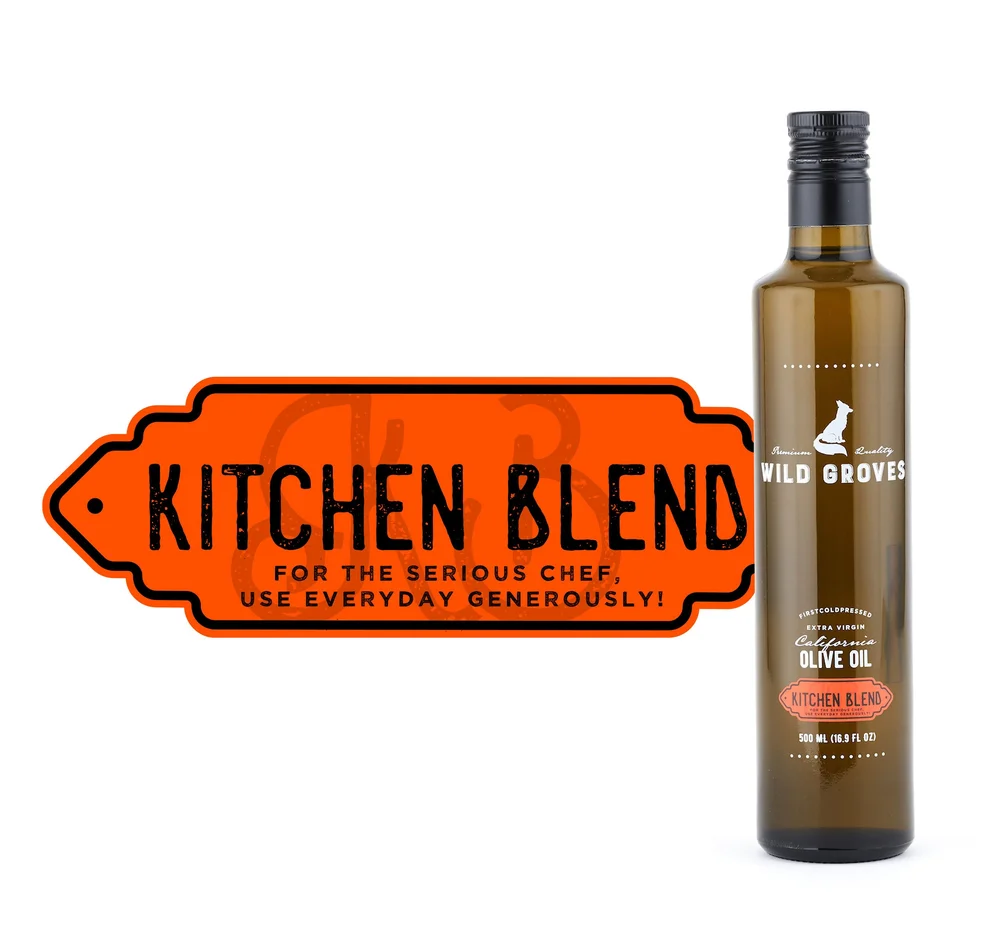
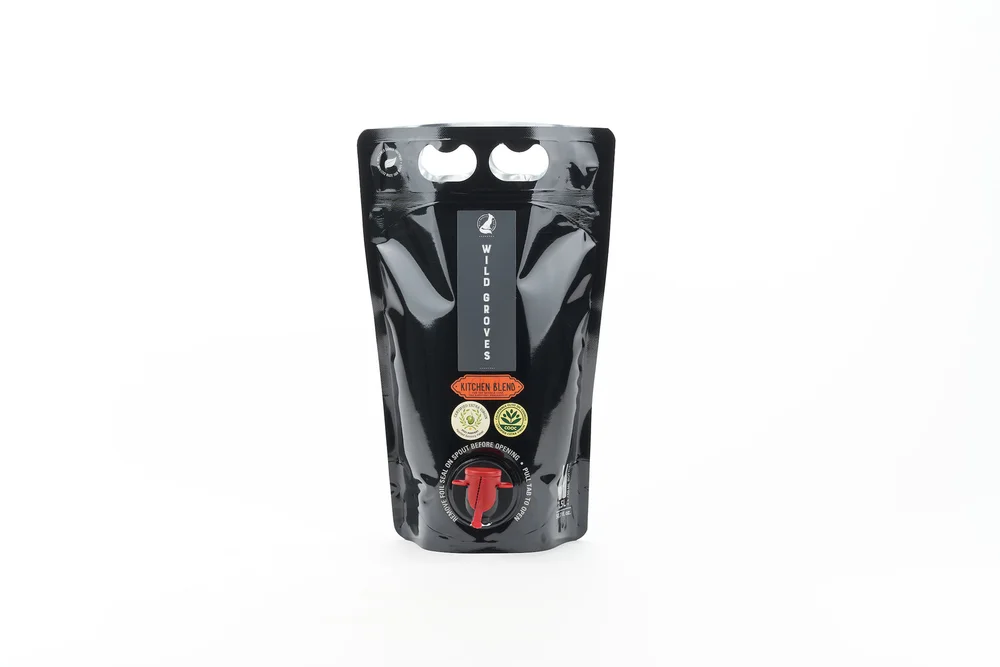
Wild Groves Kitchen Blend Extra Virgin Olive Oil

Produced by Wild Groves — producer profile

Verification
Not found
No lab verification data found
Award Record
Not found
No award data found
Phenols
386 mg/kg
Reported total-phenol result
Latest Release
2025
7 releases recorded

Kitchen Blend Extra Virgin Olive Oil is a mild, buttery blend designed for everyday cooking applications. The oil exhibits a smooth profile suitable for general kitchen use, from sautéing to baking. Produced in California by Wild Groves, a family-owned operation in Placer County.
Evidence over time

Release History

2025
Harvested: 1 November 2025
Phenols
386 mg/kg
Polyphenols are naturally occurring compounds found in olives and other plants. In olive oil, reported phenolic content is a chemistry measure that can be associated with bitterness, pungency and oxidative stability; total phenols are not interchangeable with hydroxytyrosol-plus-derivatives measurement used for the EU-authorised wording.
This reported total-phenol result is not the hydroxytyrosol-plus-derivatives measurement used to assess the EU-authorised olive-oil wording.
FFA
0.15%
Free fatty acids measure the breakdown of fats in oil. Lower FFA values indicate quality and freshness.
Peroxide
4.86
Peroxide value measures the primary oxidation of an oil. A lower peroxide value is better.
2024
Harvested: 1 November 2024
Phenols
262 mg/kg
Polyphenols are naturally occurring compounds found in olives and other plants. In olive oil, reported phenolic content is a chemistry measure that can be associated with bitterness, pungency and oxidative stability; total phenols are not interchangeable with hydroxytyrosol-plus-derivatives measurement used for the EU-authorised wording.
This reported total-phenol result is not the hydroxytyrosol-plus-derivatives measurement used to assess the EU-authorised olive-oil wording.
FFA
0.2%
Free fatty acids measure the breakdown of fats in oil. Lower FFA values indicate quality and freshness.
Peroxide
5.69
Peroxide value measures the primary oxidation of an oil. A lower peroxide value is better.
2023
Harvested: 1 November 2023
Phenols
309 mg/kg
Polyphenols are naturally occurring compounds found in olives and other plants. In olive oil, reported phenolic content is a chemistry measure that can be associated with bitterness, pungency and oxidative stability; total phenols are not interchangeable with hydroxytyrosol-plus-derivatives measurement used for the EU-authorised wording.
This reported total-phenol result is not the hydroxytyrosol-plus-derivatives measurement used to assess the EU-authorised olive-oil wording.
2022
Harvested: 1 November 2021
Phenols
382 mg/kg
Polyphenols are naturally occurring compounds found in olives and other plants. In olive oil, reported phenolic content is a chemistry measure that can be associated with bitterness, pungency and oxidative stability; total phenols are not interchangeable with hydroxytyrosol-plus-derivatives measurement used for the EU-authorised wording.
This reported total-phenol result is not the hydroxytyrosol-plus-derivatives measurement used to assess the EU-authorised olive-oil wording.
2021
No release recorded

No release is recorded for this harvest year.

2020
Harvested: 1 November 2020
Phenols
242 mg/kg
Polyphenols are naturally occurring compounds found in olives and other plants. In olive oil, reported phenolic content is a chemistry measure that can be associated with bitterness, pungency and oxidative stability; total phenols are not interchangeable with hydroxytyrosol-plus-derivatives measurement used for the EU-authorised wording.
This reported total-phenol result is not the hydroxytyrosol-plus-derivatives measurement used to assess the EU-authorised olive-oil wording.
FFA
0.38%
Free fatty acids measure the breakdown of fats in oil. Lower FFA values indicate quality and freshness.
Peroxide
4.17
Peroxide value measures the primary oxidation of an oil. A lower peroxide value is better.
2019
Harvested: 1 November 2019
Phenols
186 mg/kg
Polyphenols are naturally occurring compounds found in olives and other plants. In olive oil, reported phenolic content is a chemistry measure that can be associated with bitterness, pungency and oxidative stability; total phenols are not interchangeable with hydroxytyrosol-plus-derivatives measurement used for the EU-authorised wording.
This reported total-phenol result is not the hydroxytyrosol-plus-derivatives measurement used to assess the EU-authorised olive-oil wording.
FFA
0.23%
Free fatty acids measure the breakdown of fats in oil. Lower FFA values indicate quality and freshness.
Peroxide
5.04
Peroxide value measures the primary oxidation of an oil. A lower peroxide value is better.
2018
Harvested: 1 November 2018
Phenols (Est.)
~294.5 mg/kg
Estimated based on historical data.
Explore the oil

Sensory Profile

Fruitiness 4.6
Fruitiness refers to the aroma and taste of fresh, ripe or green olives in the oil.
Bitterness 3.5
Bitterness is a positive sensory attribute of an EVOO. It can also signal the presence of phenolic compounds.
Pungency 3.6
Pungency is the pleasant peppery or spicy sensation experienced at the back of the throat when tasting olive oil.
Polyphenols 6.1
Polyphenols are naturally occurring compounds found in olives and other plants. In olive oil, reported phenolic content is a chemistry measure that can be associated with bitterness, pungency and oxidative stability; total phenols are not interchangeable with hydroxytyrosol-plus-derivatives measurement used for the EU-authorised wording.
green apple banana sweet almond mild green tomato almond

Estimated Based on profiles for: Arbequina, Arbosana .

Freshness & season

Harvest freshness

The harvest date is disclosed on the bottle or product information, making the release easier to date and compare.

Why choose it

Choose a recent, clearly dated release when you want the most vivid expression of its aromas and flavour.

Worth knowing

A harvest date does not reveal how the oil was stored, so date is an important signal rather than a guarantee of condition.

Product informationHarvested 1 November 2025Harvest date disclosed
Place & provenance

Sense of place

This oil is listed as originating in Placer County, California, United States.

Why choose it

Choose a clearly identified origin when local identity, traceability and connection to a particular growing area matter to you.

Worth knowing

Origin can make an oil distinctive, but does not by itself guarantee quality or a particular flavour.

Listed originPlacer County, California, United States
Olive composition

Changing composition

The latest release lists Arbequina, Arbosana. EVV's release data lists different cultivar combinations across harvests.

Why choose it

A blend can combine complementary cultivar traits and offer a broader flavour profile. Choose it if you enjoy seasonal variation and seeing how a product changes over time.

Worth knowing

The listed varieties do not reveal their proportions or prove a particular blending intention. The changing list does not establish the producer's intention or guarantee a particular flavour difference.

EVV-derived from release dataArbequinaArbosanaComposition changes by harvest

Related Oils

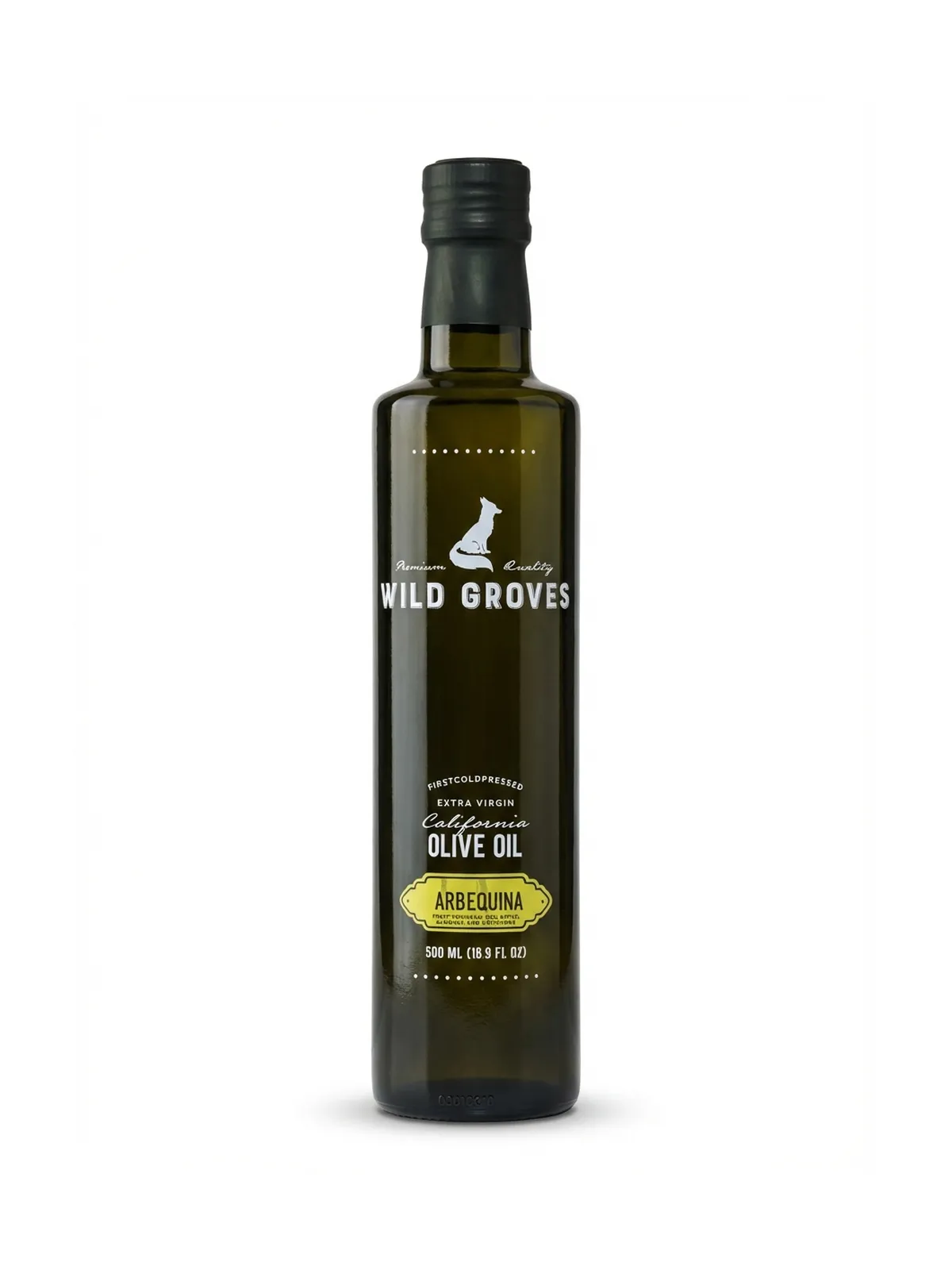
Wild Groves Arbequina Extra Virgin Olive Oil
Listing verification: Third Party Verified
Wild Groves Ascolano Extra Virgin Olive Oil
Listing verification: Third Party Verified
Wild Groves Coratina Extra Virgin Olive Oil
Listing verification: Third Party Verified
Wild Groves Foxy Extra Virgin Olive Oil
Listing verification: Third Party Verified
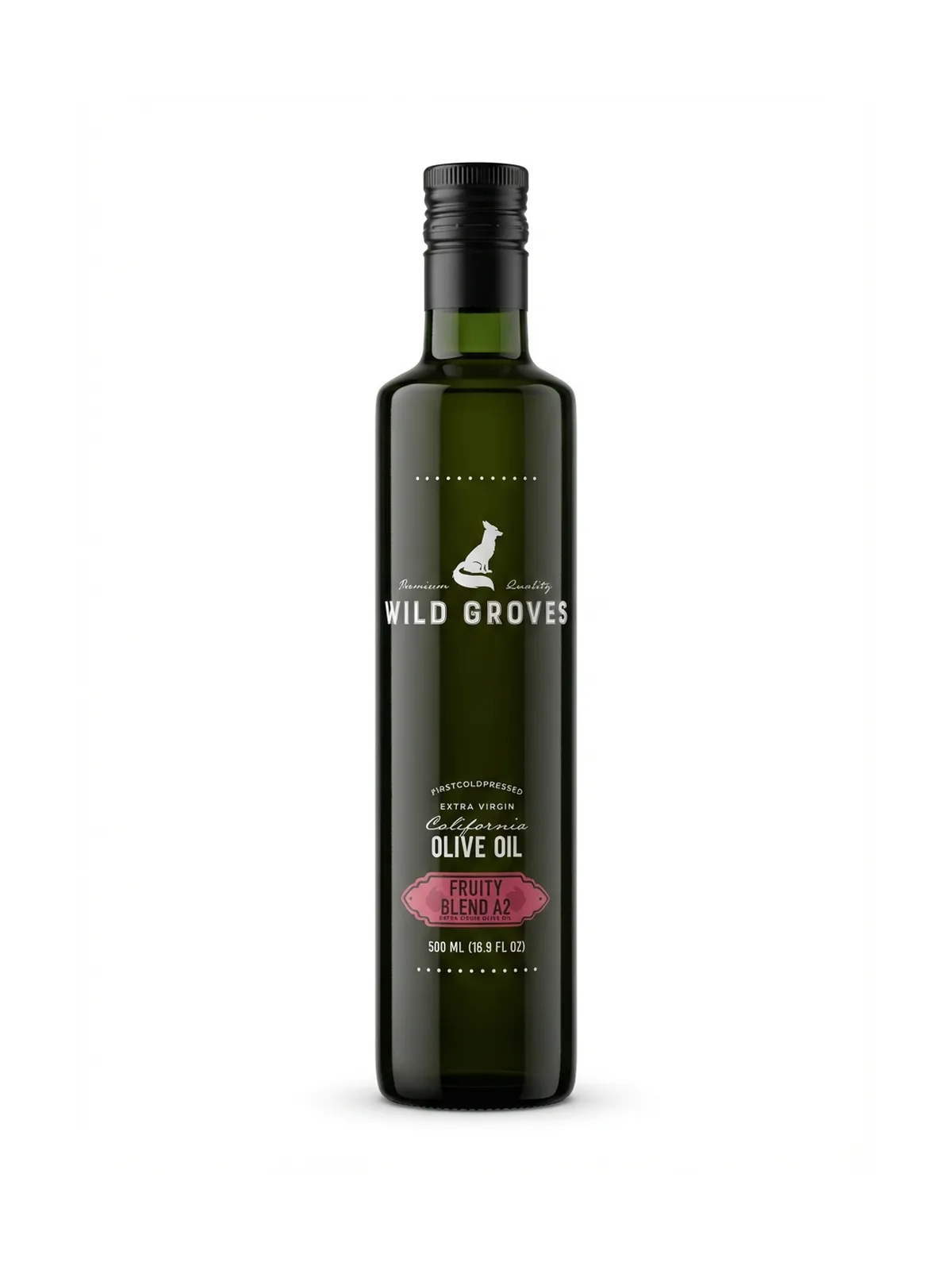
Wild Groves Fruity Blend A2 Extra Virgin Olive Oil
Listing verification: Published Results