
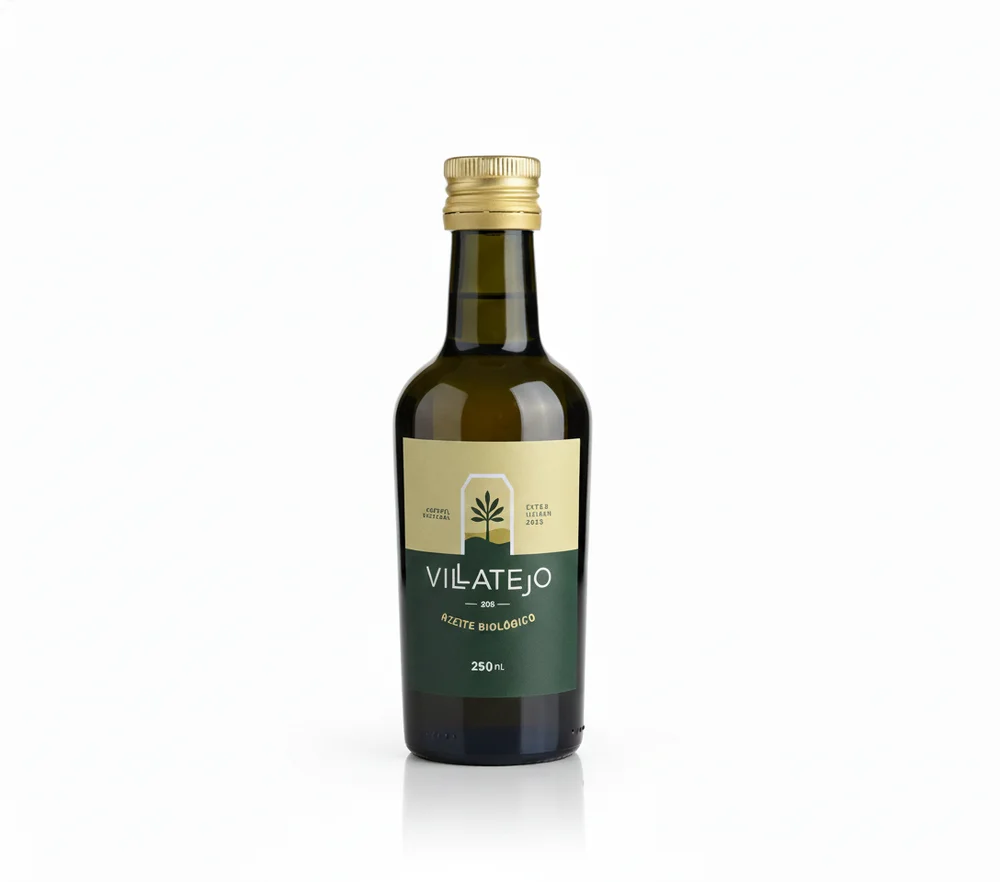
Villatejo Villatejo Extra Virgin Olive Oil Extra Virgin Olive Oil

Produced by Villatejo — producer profile

Verification
Not found
No lab verification data found
Award Record
Not found
No award data found
Phenols
345 mg/kg
Reported total-phenol result
Latest Release
2025
1 release recorded

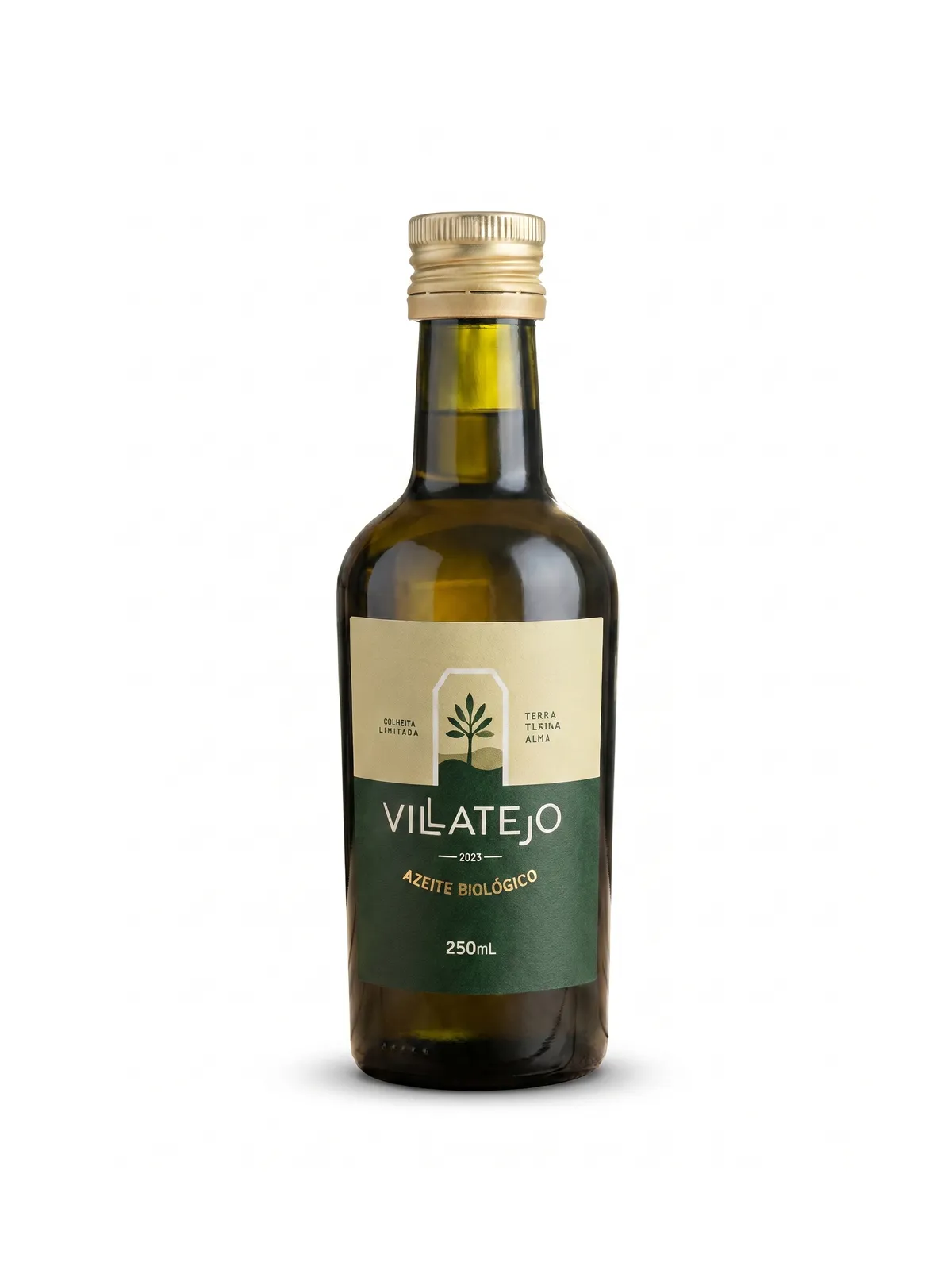
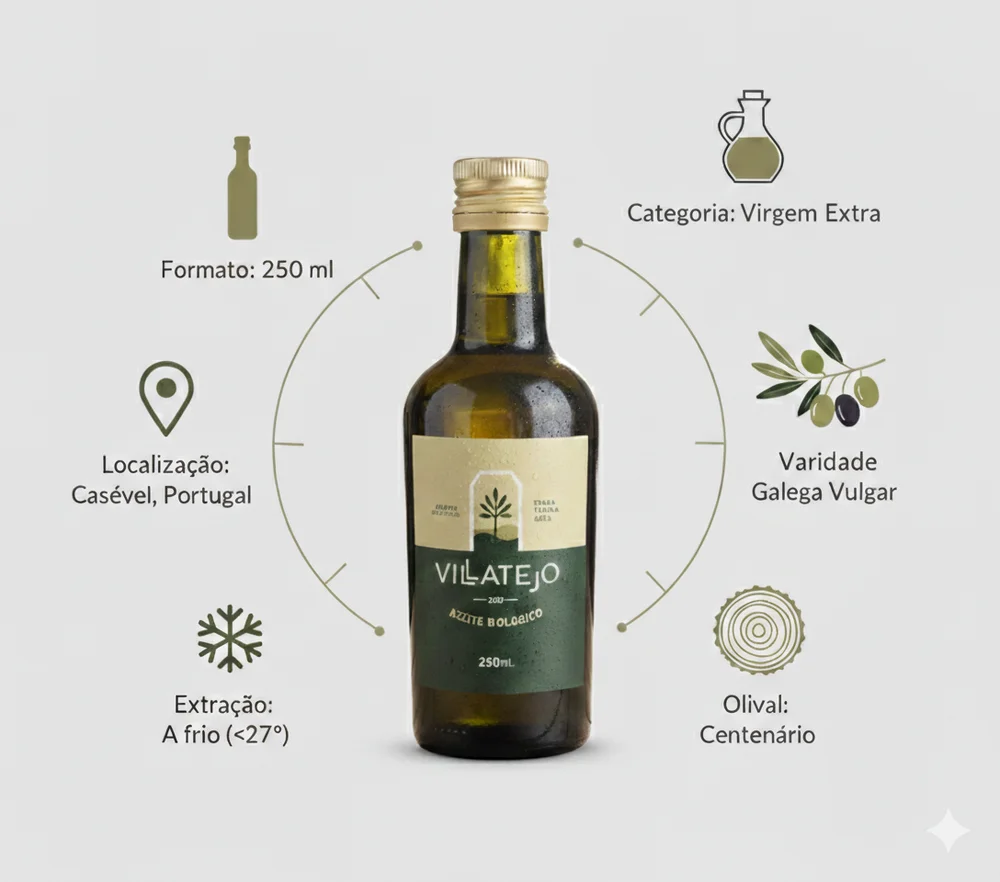
Villatejo Extra Virgin Olive Oil is a premium monovarietal oil crafted exclusively from the Galega olive, Portugal's most prestigious variety, harvested from 205 century-old trees in the Ribatejo region. Cold extracted on the day of harvest to preserve its exceptional freshness, this organic single-estate oil boasts remarkably low acidity of 0.18% and 345 mg/kg of polyphenols. The tasting profile reveals delicate notes of fresh olive and green apple, with subtle almond and herb aromas, leading to a beautifully balanced sweetness with gentle bitterness and peppery finish. Perfect for drizzling over salads, grilled vegetables, or crusty bread.
Evidence over time

Release History

2026 Predicted
Expected harvest: 1 October 2026
Varieties
Phenols
~345 mg/kg
Polyphenols are naturally occurring compounds found in olives and other plants. In olive oil, reported phenolic content is a chemistry measure that can be associated with bitterness, pungency and oxidative stability; total phenols are not interchangeable with hydroxytyrosol-plus-derivatives measurement used for the EU-authorised wording.
This reported total-phenol result is not the hydroxytyrosol-plus-derivatives measurement used to assess the EU-authorised olive-oil wording.
FFA
~0.18
Free fatty acids measure the breakdown of fats in oil. Lower FFA values indicate quality and freshness.
Peroxide
~15
Peroxide value measures the primary oxidation of an oil. A lower peroxide value is better.

Sensory Profile

Fruitiness6
Bitterness5
Pungency6
2025
Harvested: 1 October 2025
Varieties
Phenols
345 mg/kg
Polyphenols are naturally occurring compounds found in olives and other plants. In olive oil, reported phenolic content is a chemistry measure that can be associated with bitterness, pungency and oxidative stability; total phenols are not interchangeable with hydroxytyrosol-plus-derivatives measurement used for the EU-authorised wording.
This reported total-phenol result is not the hydroxytyrosol-plus-derivatives measurement used to assess the EU-authorised olive-oil wording.
FFA
0.18%
Free fatty acids measure the breakdown of fats in oil. Lower FFA values indicate quality and freshness.
Peroxide
15
Peroxide value measures the primary oxidation of an oil. A lower peroxide value is better.

Sensory Profile

Fruitiness6
Bitterness5
Pungency6
Explore the oil

Sensory Profile

Fruitiness 6
Fruitiness refers to the aroma and taste of fresh, ripe or green olives in the oil.
Bitterness 5
Bitterness is a positive sensory attribute of an EVOO. It can also signal the presence of phenolic compounds.
Pungency 6
Pungency is the pleasant peppery or spicy sensation experienced at the back of the throat when tasting olive oil.
Polyphenols 4.2
Polyphenols are naturally occurring compounds found in olives and other plants. In olive oil, reported phenolic content is a chemistry measure that can be associated with bitterness, pungency and oxidative stability; total phenols are not interchangeable with hydroxytyrosol-plus-derivatives measurement used for the EU-authorised wording.

Measured Sensory analysis from laboratory testing.

Freshness & season

Harvest freshness

The harvest date is disclosed on the bottle or product information, making the release easier to date and compare.

Why choose it

Choose a recent, clearly dated release when you want the most vivid expression of its aromas and flavour.

Worth knowing

A harvest date does not reveal how the oil was stored, so date is an important signal rather than a guarantee of condition.

Product informationHarvested 1 October 2025Harvest date disclosed
Place & provenance

Sense of place

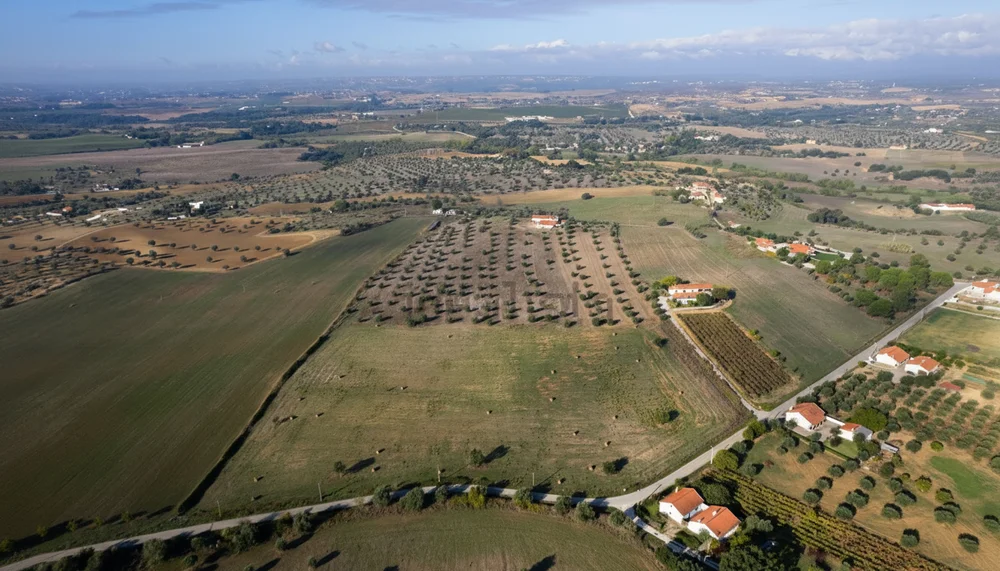
The oil is listed as coming from a single estate in Ribatejo, Ribatejo e Oeste, Portugal, giving it a specific farm origin.

Why choose it

Choose a clearly identified origin when local identity, traceability and connection to a particular growing area matter to you.

Worth knowing

Origin can make an oil distinctive, but does not by itself guarantee quality or a particular flavour.

Listed originRibatejo, Ribatejo e Oeste, PortugalSingle estate
Olive composition

Single variety listed

The latest release lists Galega as its only recorded cultivar.

Why choose it

A release listing one cultivar is useful when you want to explore that variety's typical character.

Worth knowing

One listed cultivar does not record a percentage, so it should not be treated as proof of 100% composition without a source saying so.

Release dataGalega
Farming & certification

Growing choices

The oil records certification to an organic production standard.

Why choose it

Choose the practices and certifications that best match your environmental and farming priorities.

Worth knowing

Farming method and certification may guide values-based choices, but do not automatically determine flavour, freshness or nutritional value.

Certification details listedCertified organic · Unspecified
Heritage & rarity

Centenarian trees (>100 years)

The oil is associated with fruit from trees listed as more than 100 years old.

Why choose it

Choose it for its connection to agricultural history, old-grove preservation and the relative rarity of fruit from long-lived trees.

Worth knowing

Tree age alone does not guarantee greater complexity, stability or quality.

Product informationCentenarian trees (>100 years)

Related Oils

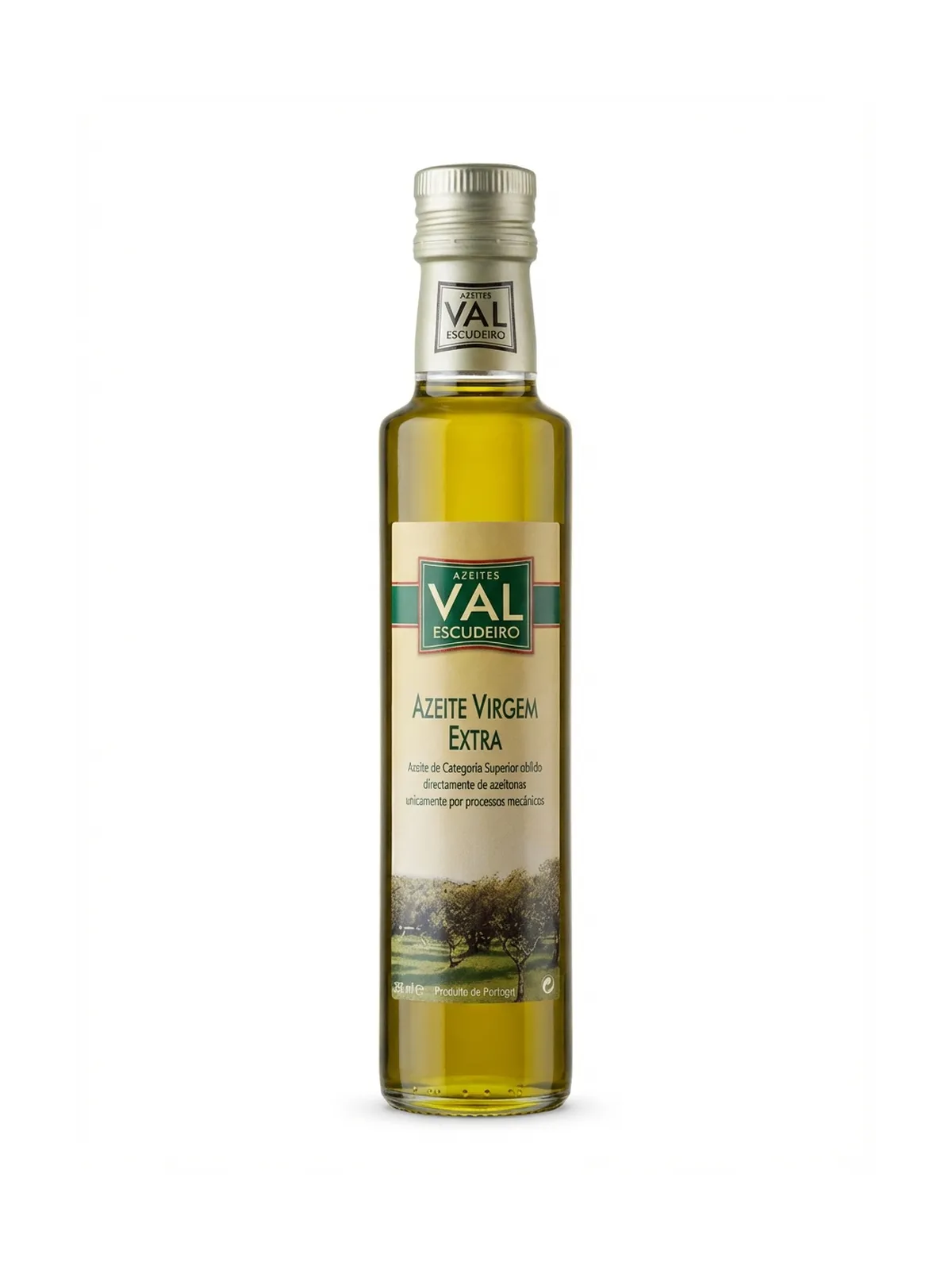
Val Escudeiro Azeite Virgem Extra Selecção
Listing verification: Results Published
Val Escudeiro Azeite Virgem Extra
Listing verification: Results Published
Luis Oliva Azeite JL
Listing verification: Results Published